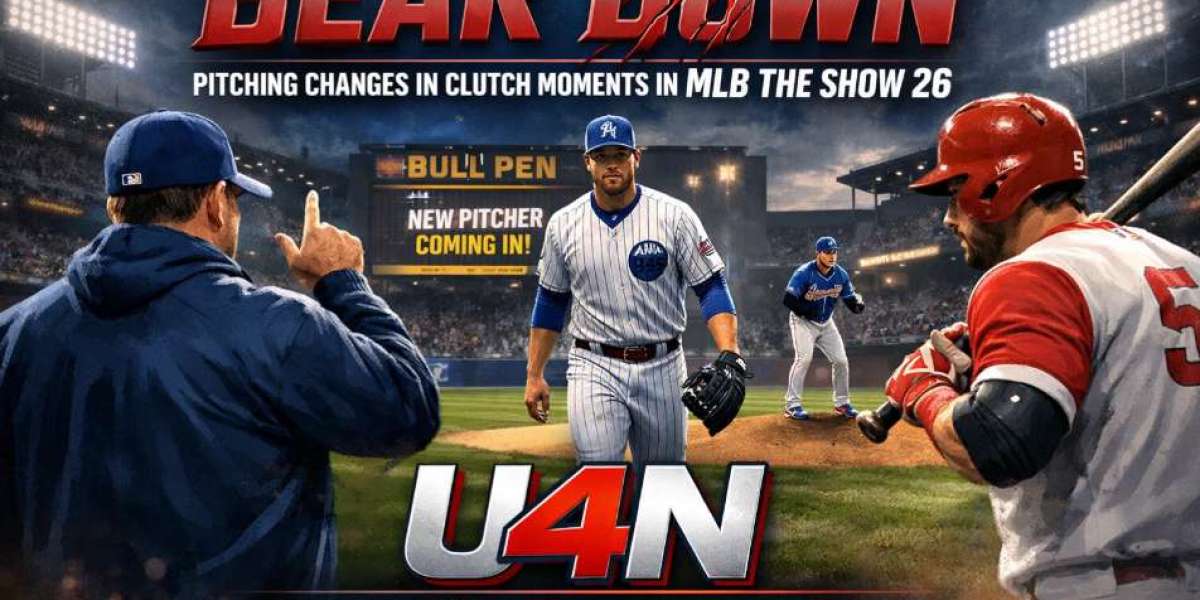

When Should You Make a Pitching Change?
In MLB The Show 26, there are several key moments that demand a pitching change. Understanding when to make those changes will give you a competitive edge, particularly during the tense, game-deciding moments.
1. Fatigue and Stamina
One of the first things to keep in mind is pitcher fatigue. As your pitcher gets through the innings, their stamina will deplete, which affects their performance. You’ll notice the stamina bar decreasing, and once it reaches a certain point, the risk of a poor performance increases. If your starter is showing signs of exhaustion and you're in a clutch moment, pulling them early can save you from giving up crucial runs.
You should be especially careful when facing tough hitters in high-leverage situations. If your pitcher’s stamina is low, even a single pitch could result in a game-changing hit.
2. Matchups
Matchups are crucial in MLB The Show 26. If you’re facing a batter who has a strong split against right-handed or left-handed pitchers, it’s wise to make the switch to a pitcher who can exploit that weakness. For example, if you have a tough left-handed batter stepping up to the plate in a clutch moment and your pitcher is a righty with low confidence, bringing in a southpaw can shift the momentum in your favor.
3. Momentum Shift
Sometimes, the game itself will give you a hint that a change is needed. If your pitcher has allowed a few base runners or gave up a homerun, their confidence may drop, affecting their command. If the batter count is favorable, it might be a good time to make a change. For example, if the opposing team has just scored a couple of runs and you’re down by one or two in the final innings, switching to a more reliable reliever could give you that extra boost to keep the game within reach.
Relievers vs. Starters: When to Use Each
Knowing when to use a starter or a reliever can be tricky. The rule of thumb is to leave your starter in for as long as they’re effective, but not to overstay their welcome. A tired starter can give up multiple runs in a hurry, especially against dangerous batters.
1. Starters
Your starting pitcher is usually the best choice early in the game, especially if they are fresh and have good stamina. In clutch moments, however, a starter might not have the speed or energy to handle late-game situations. When your starter starts to show signs of fatigue or loses control, that's when you should seriously consider making the switch.
2. Relievers
Relievers, on the other hand, are the specialists of MLB The Show 26. They're often best for high-leverage situations. Whether it’s a closer for the final inning or a setup man for a few crucial outs, having a reliable bullpen is key for winning close games. Your relievers have higher stamina to get through those late innings without losing effectiveness. But be mindful of their energy levels as well—some relievers can be overworked, just like starters.
You can buy MLB 26 stubs online to upgrade your bullpen or buy packs that can provide you with stronger pitchers for the final innings. This investment can make a big difference in late-game situations.
Managing Confidence in Pitchers
A pitcher’s confidence is a huge factor in their performance. Low confidence can lead to missed pitches, easy walks, and poor pitching overall. This is especially dangerous in clutch moments, where one bad pitch could result in a game-losing play.
Pay attention to the confidence meter, and if it’s dipping, consider pulling the pitcher even if they still have stamina left. A fresh, confident reliever could make all the difference.
1. Pitcher Confidence Boosts
In MLB The Show 26, you can use confidence-boosting strategies, such as focusing on simple, effective pitches (like a fastball or slider) that the pitcher is comfortable with. If your pitcher is on the verge of losing confidence, it's better to remove them before the damage is done.
2. Pitching Confidence and the Game Situation
In clutch moments, pitcher confidence can also be affected by the game situation. If your pitcher is going through a tough spot with runners on base, their confidence will be tested. It may be a good idea to make a quick change before things get out of hand. A fresh arm can regain confidence quickly and help get you out of the jam.
Strategic Use of Relief Pitchers in Clutch Situations
The most crucial moments in a game often come in the late innings, particularly in one-run games or when extra innings are on the line. Here’s how to strategically use your relievers to increase your chances of success:
1. Closing Time
The closer is your most important reliever, often used in high-leverage situations like the ninth inning when you need three outs to win. This player should be brought in to shut down the opposing team with as little risk as possible. A closer should be used sparingly, however, as overuse can diminish their effectiveness. If you're in a stretch of multiple games, be sure to give your closer some rest between appearances.
2. Setting Up the Closer
Before you bring in the closer, you need to have a strong setup. If the game is in the 8th inning and you’re ahead by a run, you’ll want a reliable setup man to hold down the fort and get through the inning. If things go awry and you need an emergency reliever, having someone ready in the bullpen is critical.
3. Long Relief
Long relievers are best suited for when you’ve got a high-scoring game or if your starter doesn’t make it through the middle innings. They can eat up multiple innings and save your best bullpen arms for the later moments of the game.
How to Deal with High Pressure
High-pressure situations are an inevitable part of MLB The Show 26, and the key to handling them is a combination of preparation and adaptability. If you find yourself in a tight spot, stay calm, and focus on executing your pitches. The more you learn to manage the nuances of pitching in clutch situations, the better you'll perform under pressure.
Here are a few tips:
Keep your pitches sharp: Don’t overthink your throws. Focus on mixing up your pitches but stick with what’s working.
Don't panic: Even if you’re down by a run, there’s plenty of time to recover. A clutch pitch or an effective pitching change can swing the momentum in your favor.
Know your opponent: Recognize their tendencies and pitch accordingly. If they’re a power hitter, focus on keeping the ball low and away. If they’re a contact hitter, try to get ahead early in the count.
Pitching changes in clutch moments in MLB The Show 26 can be the difference between a win and a loss. Recognizing when to make those changes—based on factors like fatigue, matchups, and confidence—will set you apart from the competition. Don’t forget to utilize your bullpen effectively and make the most of your pitchers’ strengths in pressure situations. With some practice and careful planning, you’ll be able to handle those tight spots like a pro.