
So you think you know everything about forex? I thought the same thing till I stumbled upon some stuff about currency cross rates that totally flipped my understanding. Whether you're just starting out or been trading for years, these facts gonna surprise you for sure.
Let me walk you through 15 things that most traders don't even bother to learn — and honestly, that's their loss.
What Are Currency Cross Rates and Why Should You Care
Currency cross rates are basically exchange rates between two currencies that don't involve the US dollar. Like if you wanna know the rate between Euro and Japanese Yen — that's a cross rate. You're not going through USD at all.
Most people just focus on major pairs like EUR/USD or GBP/USD and totally ignore the crosses. Big mistake. The crosses can actually give you more trading opportunities and sometimes better moves too.
Platforms like Vunelix make it super easy to track these rates in real time — and they got data for 2000+ forex pairs, so you're never left guessing.
15 Facts About Currency Cross Rates That Most Traders Miss
1. Cross Rates Didn't Really Exist Before the 1970s
Before the Bretton Woods system collapsed, almost everything was pegged to the dollar. So the idea of trading one currency directly against another without going through USD? That wasn't really a thing. Kinda wild, right?
2. They're Calculated From Major Pairs
Here's something that surprise a lot of beginners — cross rates are actually derived from two major pairs. So EUR/JPY is calculated using EUR/USD and USD/JPY. The math is simple but the implications are big.
3. The Spread Is Usually Wider
If you compare EUR/USD spread to something like EUR/CHF, you'll notice the cross pair almost always have a bigger spread. That's because there's less liquidity. Doesn't mean you shouldn't trade them — just means you gotta be smart about it.
4. Some Crosses Are More Liquid Than You Think
EUR/JPY, GBP/JPY, EUR/GBP — these guys are traded heavily. So not all crosses are thin and risky. Some of them move really well and got enough volume to make clean trades.
5. Cross Rates Reflect Global Trade Relationships
When Australia exports a ton of stuff to Japan, it affects AUD/JPY directly. Cross pairs are basically a mirror of real world economic relationships between countries. Pretty cool when you think about it.
6. You Can Spot Hidden Opportunities
Sometimes a cross pair is moving strong when the major pairs are just ranging around doing nothing. Traders who only look at majors miss out on these clean trends in the crosses. That's real money left on the table.
7. Central Bank Policies Affect Them Differently
When the Bank of Japan does something, it hits every JPY cross — not just USD/JPY. So if you're watching EUR/JPY, you need to follow both ECB and BOJ news. Double the work but double the edge too.
8. They Can Confirm Your Major Pair Trades
Say you're long on USD/JPY. If you check the crosses and see EUR/JPY and GBP/JPY also pushing higher, that tells you the move is more about JPY weakness overall — not just dollar strength. That's a much stronger signal.
9. Commodity Currencies Play Big in Crosses
Pairs like AUD/CAD or NZD/CAD are super tied to commodity prices — oil, gold, iron ore. If oil drops, CAD often weakens against most currencies. Knowing this makes trading these forex cross pairs way more logical.
10. Historical Data Goes Back Decades
This one surprised me. On platforms like Vunelix, you can access over 30 years of historical currency exchange data. That means you can backtest cross pair strategies over long periods and actually see how they performed through recessions, booms, and everything in between.
11. Exotic Crosses Exist Too
Ever heard of USD/TRY or EUR/ZAR? These are exotic crosses and they can have massive moves — sometimes hundreds of pips in a day. High risk, high reward stuff. Not for everyone but worth knowing they exist.
12. Cross Rates Are Great for Hedging
Big companies that do business in multiple countries use cross rates all the time to hedge currency risk. It's not just a trading thing — it's a real business tool that finance teams rely on daily.
13. News Timing Matters a Lot More in Crosses
With major pairs, the market usually reacts to US news. With crosses, you got multiple economies involved — and their news releases can come at totally different times. So a cross pair can be volatile at odd hours when majors are sleeping.
14. They're Not Always Correlated With Their Component Majors
You'd think EUR/JPY would just move exactly like EUR/USD and USD/JPY combined — but it doesn't always work out perfectly. Market sentiment, risk appetite, and positioning all throw in extra variables that make crosses behave a bit uniquely.
15. Real-Time Tracking Changes Everything
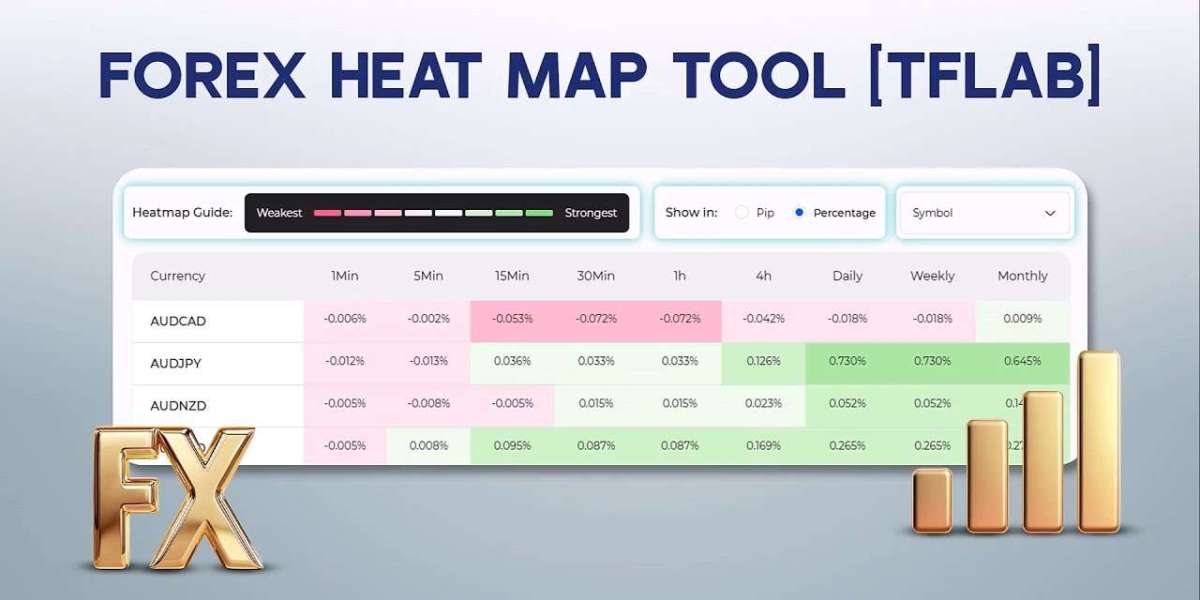
Old school traders used to calculate crosses manually. Now with tools like Vunelix, you get live prices, charts, market heatmaps, and currency converters all in one place — completely free. There's really no excuse for not tracking these pairs properly anymore.
How Cross Rate Trading Actually Feels in Practice
I remember talking to a trader once who said he never looked at crosses for his first two years. He was just grinding away on EUR/USD and GBP/USD. Then one day he pulled up AUD/JPY during an Asia session and saw this beautiful clean trend just running with barely any noise. That was his turning point.
Cross pairs often trend cleaner in off-peak hours because they're more tied to specific regional markets. The Asia session for JPY crosses, European open for EUR crosses — timing really does matter here.
Why Analysts and Fintech Folks Should Pay Attention
For financial analysts and researchers, cross rate data isn't just useful for trading — it's valuable for studying economic relationships between countries, understanding capital flows, and building economic models.
Fintech companies building tools or apps can also benefit from reliable cross rate feeds. Vunelix provides real-time rates for over 180 currencies sourced from leading financial institutions and central banks — which makes it a solid reference point for anyone building in this space.
Quick Tips for Using Cross Rates in Your Strategy
Always check both component major pairs before entering a cross trade
Use cross rates to confirm strength or weakness in a currency, not just one pair
Watch for news from both countries in the cross pair
Track correlations with commodities if trading pairs like AUD/JPY or NZD/CAD
Use real-time platforms like Vunelix to stay updated without paying for expensive data feeds
Final Thoughts on Currency Cross Rates
Honestly, ignoring currency cross rates is like going to a buffet and only eating bread. There's a whole world of opportunities sitting right there that most traders just walk past. Once you start understanding how crosses work how they're calculated, what moves them, and how they can confirm or challenge your other trades everything kinda clicks a little more.
Whether you're a seasoned trader, a financial analyst, or just someone who's really into how global money flows work, cross rates deserve a spot in your toolkit. And with free platforms like Vunelix making the data accessible to everyone, there's genuinely no barrier to getting started.
Frequently Asked Questions
What exactly is a currency cross rate?
A currency cross rate is an exchange rate between two currencies that doesn't involve the US dollar. For example, EUR/GBP or AUD/JPY are cross rates because they don't pair either currency with USD.
Are currency cross rates harder to trade than major pairs?
They can be a bit trickier because you need to follow two separate economies instead of one, and the spreads are sometimes wider. But they also offer clean trends and unique opportunities that major pairs don't always give you.
Where can I find reliable real-time cross rate data?
Vunelix (vunelix.com) is a great free option. It provides live prices for 2000+ forex pairs including cross rates, along with charts, market heatmaps, and a currency converter — all without any cost.
How are cross rates calculated?
Cross rates are derived from two major pairs that both involve the US dollar. For example, EUR/JPY is calculated by dividing EUR/USD by USD/JPY. Most platforms do this automatically so you don't have to do the math manually.
Can beginners trade currency crosses?
Yes, but it's a good idea to get comfortable with major pairs first. Once you understand how currency strength and economic news works, moving into crosses becomes much more manageable. Start with liquid crosses like EUR/JPY or GBP/JPY before jumping into exotic ones.
Why do cross rates sometimes move differently than expected?
Market sentiment, risk appetite, geopolitical events, and positioning all affect how crosses move — sometimes independently of their component major pairs. That's what makes them interesting but also why you gotta stay informed.
Does Vunelix offer historical data for cross rates?
Yes, Vunelix has access to over 30 years of historical currency exchange data, which makes it useful for backtesting and analyzing how specific cross pairs have behaved over time.